The Effect of Ozone Air Pollution on Physical Capacity
Scholars from various scientific disciplines work on understanding the impact of air pollution. Most of the studies focus on long-term health consequences, but there is now increasing attention for immediate effects on labour productivity, physical effort, cognitive performance, and decision-making. At the spatial economics department, Jos van Ommeren and Joris Klingen recently contributed to this literature by studying how ozone air pollution affects physical capacity as measured by the travel speed of cyclists in London.
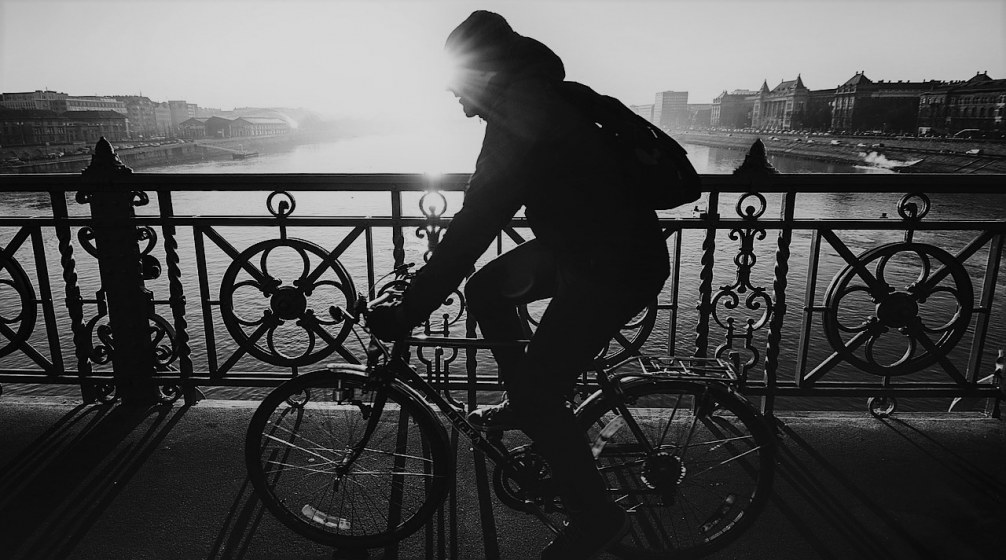
Medical research has shown that ground-level ozone can reduce lung capacity. So far, however, it was unknown whether these effects play a role at modest levels of air pollution (London is relatively clean in terms of ozone pollution). By analysing the speed of over 45 million cycling trips made on public rental bikes, the authors find that ozone reduces travel speed for concentrations above 20 ppb, which is far below the minimum threshold suggested by previous studies. A 10 ppb increase in ozone concentration leads to a 0.3–0.4% reduction in cycling speed, despite that most cycling trips are short so that exposure to ozone tends to be brief. It seems plausible that ozone induces time losses of similar magnitude of other outdoor activities, such as walking.
Joris Klingen
October 2020
This blog is based on:
Klingen, J., & van Ommeren, J. (2020). Urban air pollution and time losses: Evidence from cyclists in London. Regional Science and Urban Economics, 81, 103504.
This blog was first published on spatialeconomics.nl/en/hoe-ozonvervuiling-de-fysieke-capaciteit-van-mensen-beinvloedt/.