• Graduate Programs
    • Tinbergen Institute Research Master in Economics
      • Why Tinbergen Institute?
      • Research Master
      • Admissions
      • All Placement Records
      • PhD Vacancies
    • Facilities
    • Research Master Business Data Science
    • Education for external participants
    • Summer School
    • Tinbergen Institute Lectures
    • PhD Vacancies
  • Research
  • Browse our Courses
  • Events
    • Summer School
      • Applied Public Policy Evaluation
      • Deep Learning
      • Development Economics
      • Economics of Blockchain and Digital Currencies
      • Economics of Climate Change
      • The Economics of Crime
      • Foundations of Machine Learning with Applications in Python
      • From Preference to Choice: The Economic Theory of Decision-Making
      • Inequalities in Health and Healthcare
      • Marketing Research with Purpose
      • Markets with Frictions
      • Modern Toolbox for Spatial and Functional Data
      • Sustainable Finance
      • Tuition Fees and Payment
      • Business Data Science Summer School Program
    • Events Calendar
    • Events Archive
    • Tinbergen Institute Lectures
    • 2026 Tinbergen Institute Opening Conference
    • Annual Tinbergen Institute Conference
  • News
  • Summer School
  • Alumni
    • PhD Theses
    • Master Theses
    • Selected PhD Placements
    • Key alumni publications
    • Alumni Community
Home | News | Shalva Mkhatrishvili receives renewed TI Research Qualification
News | July 11, 2025

Shalva Mkhatrishvili receives renewed TI Research Qualification

Shalva Mkhatrishvili is the first PhD student to receive the renewed Tinbergen Institute Research Qualification, which is given to students who complete a number of core, field and skills courses.
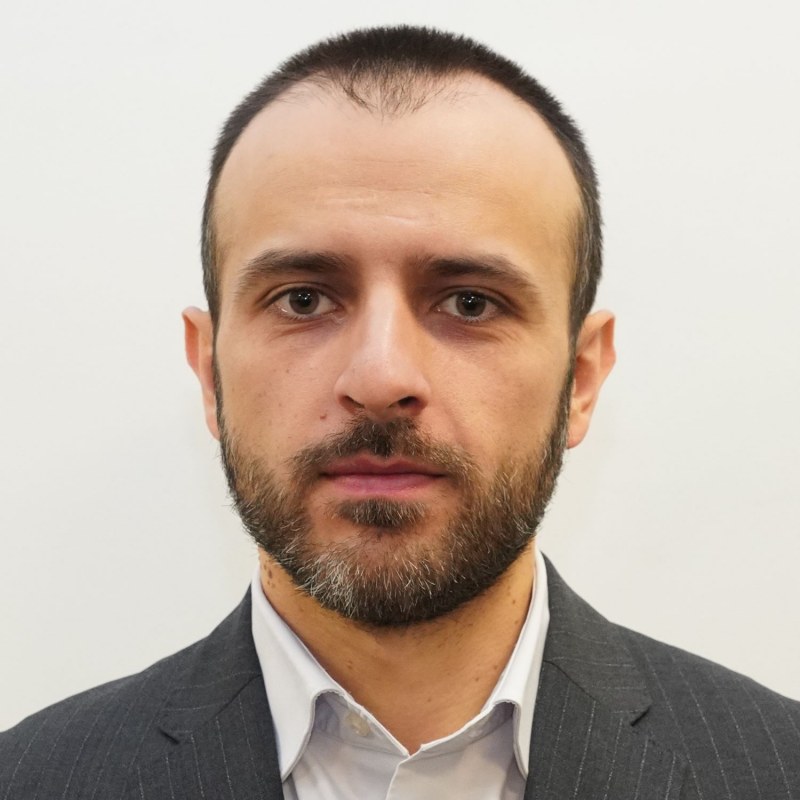
Shalva Mkhatrishvili receives renewed TI Research Qualification

Shalva is an external PhD student at the Department of Economics of Vrije Universiteit Amsterdam, where he studies the monetary policy and financial stability implications of Central Bank Digital Currencies (CBDC).

His research involves developing a new macro-banking model, which can be used to show the nuanced link between a CBDC issuance, on the one hand, and the cost of financial intermediation andthe probability of bank runs, on the other.

Shalva also works as an Economist at the International Monetary Fund (IMF) in Washington D.C., where he is involved in analytical work on monetary policy and macroeconomic modeling.